The Future Belongs to the Curious: Why Africa Must Embrace Lifelong Learning
In a world changing faster than ever, the greatest risk is no longer making mistakes - it is standing still. Yet across much of Africa, our education systems still prepare young people for a world that no longer exists. We teach them to memorize, to repeat, and to wait for instructions. What we need now is a generation that knows how to think, adapt, create, and solve problems.
This is not a criticism. It is a call to reimagine what education means in 21st-century Africa.
Education Is Not Just Schooling
For too long, we have measured success by certificates and exam scores. But real education - the kind that transforms nations - is about curiosity, critical thinking, creativity, and resilience.
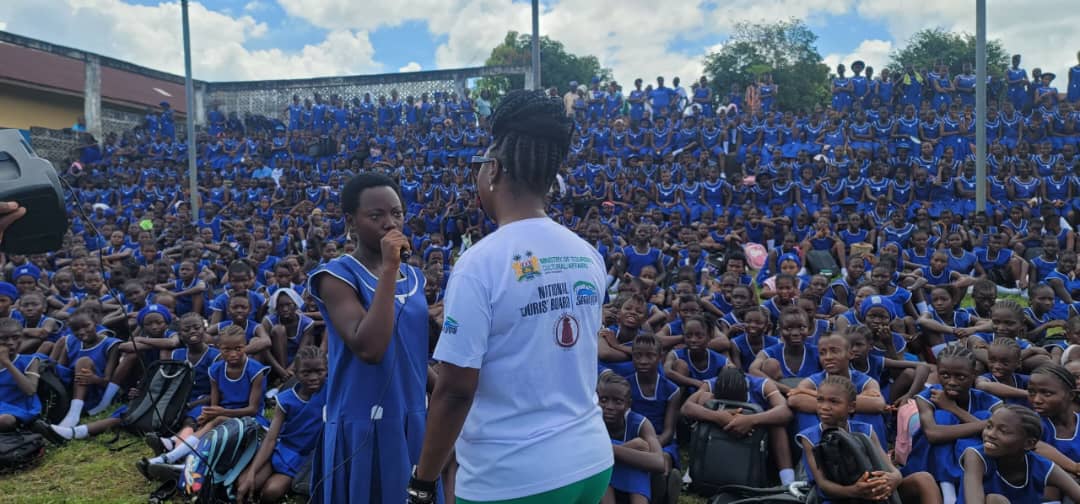
In Sierra Leone, we have talented young people with brilliant minds who are often limited not by ability, but by outdated systems and a lack of opportunity to apply what they learn. When a young person finishes school and cannot find work, or cannot turn their ideas into reality, we have not failed them as individuals - we have failed them as a society.
Lifelong learning must become our new national culture. It should not end with secondary school or university. It should continue through mentorship, vocational training, digital skills, entrepreneurial thinking, and constant exposure to new ideas.
The Economic and Social Case
Countries that invest seriously in education and skills development are pulling ahead. They are creating jobs, attracting investment, and solving their own problems. When young people are equipped with relevant skills:
- Economies become more innovative and competitive
- Communities become more self-reliant
- Governance improves because citizens can hold leaders accountable with knowledge
- Social mobility becomes real, not just a slogan
Africa does not have a youth problem. We have a massive youth opportunity - if we are bold enough to prepare them properly.
What Must Change
We need to move beyond the old model of education. This means:
- Updating curricula to include digital literacy, financial education, climate awareness, and entrepreneurial skills
- Building stronger bridges between schools, universities, and the private sector
- Recognizing and supporting informal learning - from apprenticeships to online platforms
- Celebrating failure as part of the learning process, not something to be ashamed of
- Investing in teachers as the true nation builders they are
Through initiatives like the Psychology of Winning, I have seen what happens when young people are given permission to dream bigger and learn practically. The transformation is immediate and powerful.
A Personal Challenge
To every young person reading this: Stay curious. Ask difficult questions. Learn something new every single day. Do not wait for the system to perfect itself - start building your own path now.
To policymakers and leaders: The greatest legacy we can leave is not infrastructure alone, but a generation that can think for itself and create the future we all deserve.
The future does not belong to the richest or the loudest. It belongs to the curious - those who never stop learning, adapting, and daring to imagine a better Sierra Leone and a better Africa.
What skills do you believe young Africans need most today? Share your thoughts in the comments below. Let’s build this conversation together.