Culture Is Not a Museum Piece: Making Heritage Work for Development
Too often in development circles, culture is treated as mere background scenery - something to celebrate at festivals and then set aside when the "serious" work begins. This thinking is not only wrong; it is expensive.
Culture is the operating system of a society. It shapes how people relate to authority, how they make decisions, how they grieve, how they celebrate, and how they build trust. When development programmes ignore culture, they are essentially trying to run new software on an incompatible operating system and then wondering why nothing works.
Why Culture Must Be at the Center of Development
In Sierra Leone, our cultural traditions carry centuries of accumulated wisdom in conflict resolution, communal resource management, and youth initiation frameworks. Modern governance is only now beginning to rediscover what our ancestors already knew.
The gbendembu, the Poro society structures, the women's Sande institutions - these are not relics of the past. They are living systems of social technology that continue to guide communities, resolve disputes, and maintain social order in ways that formal institutions sometimes struggle to achieve.
When we sideline these systems, we lose valuable tools for sustainable development. When we integrate them thoughtfully, we create solutions that are locally legitimate, more effective, and more likely to endure.
Culture as a Strategic Asset
Cultural diplomacy recognizes this reality. It positions culture not as an afterthought, but as a primary instrument of international engagement, economic development, and social healing.
A country that confidently exports its cultural wisdom, its arts, its stories, and its philosophies builds a powerful form of soft power - influence that no military budget or resource wealth can buy. Sierra Leone's rich heritage, vibrant creativity, and unique cultural institutions represent one of our greatest competitive advantages on the world stage.
From Celebration to Strategy
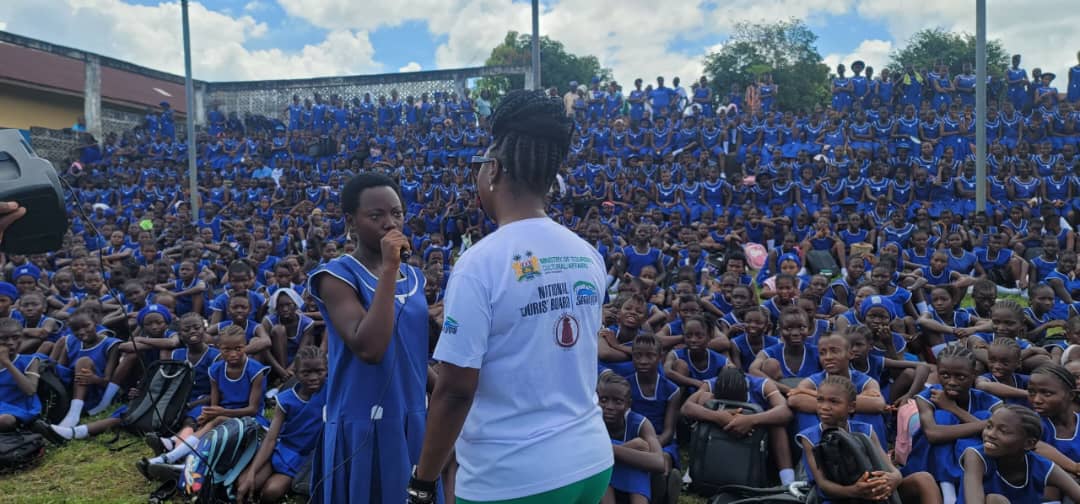
My work in the Ministry of Tourism and Cultural Affairs is rooted in this conviction: Sierra Leone's culture is not something to be preserved in a museum. It is a dynamic force that can and should drive our development agenda.
This means:
- Integrating traditional knowledge systems into modern governance and policy-making
- Investing in creative industries that generate jobs and export revenue
- Using culture as a tool for healing, reconciliation, and national unity
- Building cultural diplomacy that tells our story on our own terms
Culture is not static. It is adaptive, resilient, and forward-looking. Our task is to stop treating it as decoration and start treating it as infrastructure.
A Call to Action
Development that ignores culture will always be fragile. Development that harnesses culture can be transformative.
It is time for policymakers, donors, civil society, and traditional leaders to have an honest conversation about how we make our heritage work for our future - not as a museum piece, but as a living, breathing engine of progress.
What are your thoughts? How can we better integrate Sierra Leone's rich cultural heritage into our national development efforts? Share your ideas in the comments below.